Searching for information
Manuals, procedures and technical information may be spread across PDFs, folders, messages and manufacturer portals.
Connect equipment identity, service history, reported symptoms and approved technical information in one technician workspace — helping teams diagnose with better context and less time spent searching for information.
See How It Works ↓Don't replace technician experience. Make it available at the point of work.
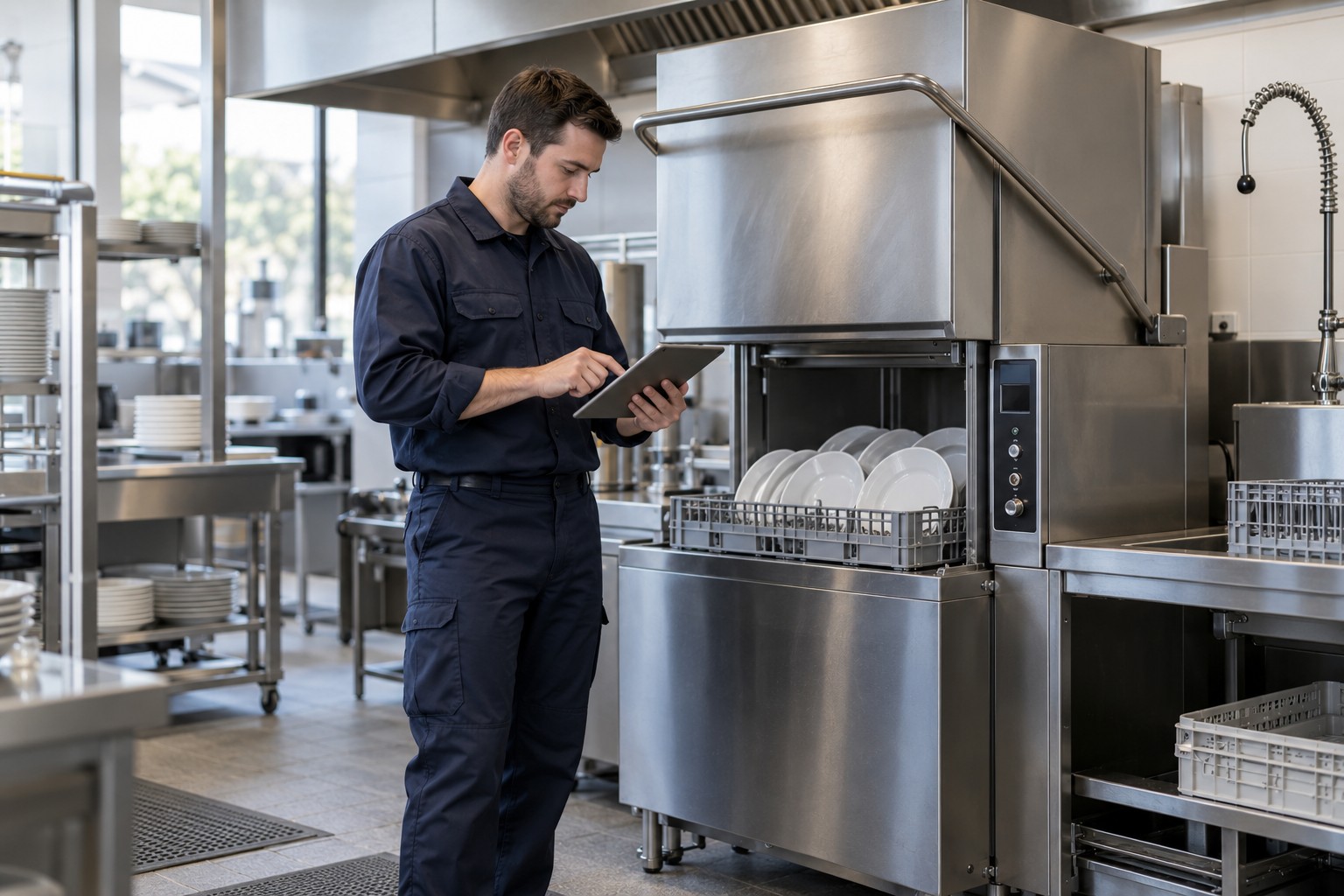
Technical service knowledge often exists somewhere in the business — but not necessarily where the technician needs it, when they need it.
Manuals, procedures and technical information may be spread across PDFs, folders, messages and manufacturer portals.
Previous symptoms, repairs and technical findings may not reach the technician handling the next breakdown.
Less-experienced technicians may need additional support before identifying the right diagnostic path.
Missing history, information or preparation can contribute to another visit.
Technician opens the equipment record, QR-linked asset or assigned work order.
EQ-1042 / WO-2084Equipment identity, reported symptoms, user-level checks and previous service information become available.
Asset + issue + checks + historyApproved manuals, procedures, troubleshooting information and relevant organizational knowledge can be surfaced.
Approved sources / technical referencesThe technician can ask contextual questions and use the information to support their professional diagnosis.
AI supports · Technician decidesFindings, actions, parts and recommendations become part of the service and equipment history.
Service report → Equipment historyEquipment facts + approved sources + clearly labeled AI guidance
Illustrative data journey. AI guidance is not a substitute for manufacturer documentation or safe working procedures.
Example records only. No actual manufacturer document or customer history is shown.
The equipment facts above are example service-record information. The assistant response demonstrates contextual support; it is not a manufacturer instruction or an independent repair decision.
Prioritize approved technical sources. Verify source relevance and apply professional judgment before acting.
For qualified technicians. The AI supports professional diagnosis; the technician remains responsible for technical decisions and safe working procedures.
The AI Technical Assistant should help technicians reach relevant equipment information and approved technical knowledge faster — while keeping the source and type of information clear.
Known asset information and configuration.
Previous breakdowns, findings, repairs and parts used.
Connected manuals, procedures, service information and internal approved technical documentation.
Contextual assistance based on the information available to the technician, clearly identified as AI-generated.
Illustrative source labels. No actual manufacturer document or repair instruction is reproduced.
Valuable service knowledge often lives across experienced technicians, previous reports, technical documents and equipment history. Make relevant information easier for the technician handling the job to access at the point of work.
Spend less time searching through previous reports and technical documentation. Reach relevant equipment context faster and record findings for future service.
Access relevant history and approved technical information while following the company's professional service procedures.
A user notices an issue.
User-level checks and symptoms captured.
Where configured.
Work order created with context.
Technician receives equipment identity, symptoms, completed checks, service history and relevant technical information.
Qualified technician decides and acts safely.
Professional findings and work recorded.
Context retained for future service.
The customer shouldn't have to explain the same problem repeatedly as it moves from user support to professional service.
After professional service, structured findings can become part of the equipment's ongoing history.
When the same equipment requires support again, the next technician can begin with more context than the technician before them.
Recorded service findings remain distinct from approved technical references. Unverified AI responses do not automatically become approved technical knowledge.
Potentially reduce time spent searching for equipment history and relevant technical information.
Recover productive time that can be used for additional service work.
Give technicians a more consistent way to access available service context and approved information.
Better preparation and access to relevant information may support first-time-fix performance.
Keep useful equipment and service history available beyond an individual technician or service visit.
Use your own service volume, troubleshooting time and technician cost assumptions to model the potential operational value of reducing diagnostic friction.
Calculate Your Potential ROI →AQClouds does not guarantee a specific reduction in diagnostic time or improvement in first-time-fix performance. The ROI calculator allows you to test your own operating assumptions.
Help technicians access customer, equipment, service-history and technical context while working in the field.
Make approved product knowledge and after-sales service history easier for technical teams to access.
Keep equipment history and relevant technical knowledge accessible across internal maintenance teams.
Bring relevant asset identity and configuration together.
Make previous service records available with the equipment.
Identify and connect relevant approved sources.
Give qualified technicians appropriate information access.
Validate the workflow with a defined team.
Review knowledge access and operational results.
Start with a defined equipment range or service team, validate the workflow and expand as the knowledge base develops.
Let's look at how your technicians currently access equipment history, technical documentation and previous service information — and identify where AI-assisted knowledge access could reduce operational friction.